Money basics · Checks
How to Endorse and Deposit a Check for a Minor (Under 18)
7 min · Updated May 2026
Voiding a check is a routine task for direct deposit setup, for fixing mistakes, for stopping a payment. The simple steps, the right ink, and what to record.
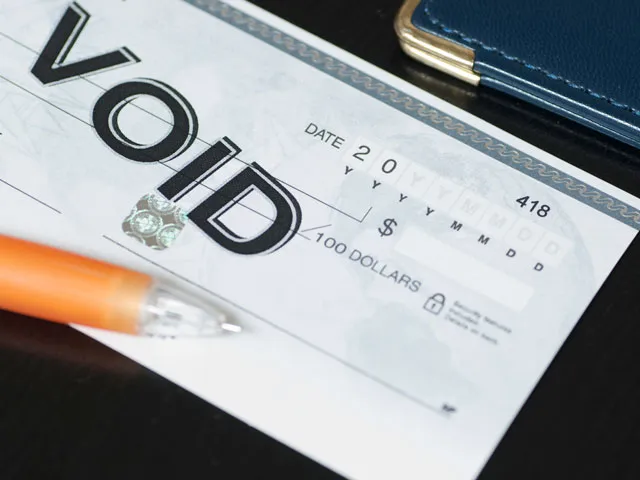
We're here to help you understand not only the steps that are required to void a check, but the reasons why you would potentially need to.
We also cover everything there is to know about the anatomy of a check and how to fill one out properly in our guide to check writing.
Voiding a check prevents the person (or business) receiving the check from cashing it. Common reasons for voiding a check include the following:
Learn: Do Checks Expire?
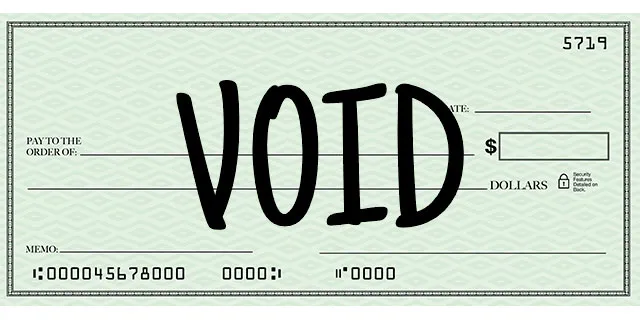
The process of voiding a check is simple and straightforward.
You can also write the word “VOID” on the amount line and box, date line, payee line, and signature line, as doing so will effectively void the paper check. Be careful so as to not write over the routing and account numbers, they are vital information that gets passed along.
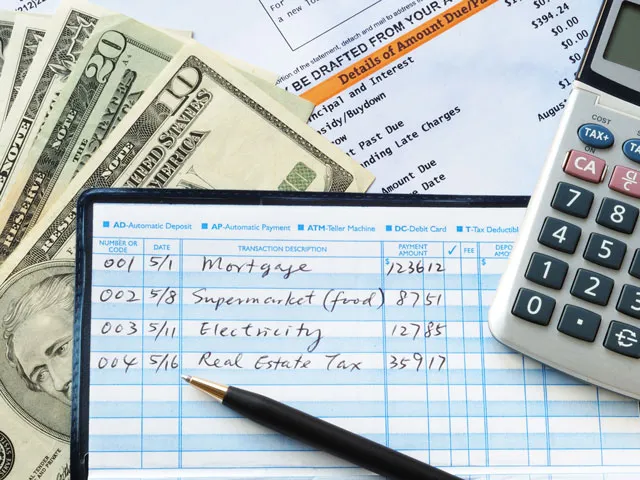
As to record keeping, making note of the check number that you just voided will go along way toward keeping your check register up to date.
*Permanent ink is used when voiding a check to prevent fraud. For example, using a pencil would allow someone to erase “VOID” and have a blank check - your blank check. Destroying a paper check is also an acceptable way to void a check.
Having a checking account is not a personal finance requirement of adulthood. If you are a savings account-only person or live your life with a series of debit and credit cards, then you may have some challenges when you’re performing certain actions with regard to automatic payments. Filling out a direct deposit authorization form is one such example.
Here are some alternatives to using voided checks for people without a checking account, and, for the unbanked American, of which there were approximately 7.1 million according to a 2019 survey from the FDIC.
Below are answers to some commonly asked questions surrounding voided checks.
Starter checks from new checking accounts can be voided, yes.
Paying yourself with an online bill pay function that resulted in a check being sent to your home address, even if it is for a single penny, could potentially offer similar functionality to a voided check when it comes to setting up auto-pay.
No. Oftentimes fully-written checks are voided because an error is spotted. With regard to blank checks, never give someone one. In fact, it is recommended that you should always treat a blank check as if it were cash.
No, a voided check does not need to be signed. You can void a check whether it is signed or not.
Once it has been delivered to the payee. You can request that the payee not cash the check, but it is too late to void at that point.
The difference is that a canceled check has been cleared after cashing or depositing by the bank it was drawn on and cannot be used again, whereas a voided check can never be cashed. Requesting that your bank cancel a check prior to it being cashed or deposited will effectively void a check.
Voiding a check is a straightforward, yet sometimes necessary process that can be useful for a variety of financial transactions, including paying companies that accept e-checks or establishing an electronic link to your bank account when setting up direct deposit.
Always remembering to write “VOID” in large letters and use permanent ink will leave you in good hands. Just don’t forget to mark your check register, or you may be wondering why you’re one check number off next time you open your checkbook.