Money basics · Checks
How to Endorse and Deposit a Check for a Minor (Under 18)
7 min · Updated May 2026
Checking and savings accounts are not on your credit report. But the way you use them via overdrafts, ChexSystems flags, and joint accounts can still affect borrowing.

This includes account openings, bounced checks, loans, overdrafts and other personal banking factors impact your credit history.
No, the process of opening a checking or savings account should not affect your credit score. The application process runs what is known as a soft inquiry (or soft pull) on your credit history. This should not impact your credit.
To be safe, be sure to confirm with your bank, credit union or financial institution that they are not running a hard inquiry (or hard pull) when you’re filling out the documentation to establish the account. Hard pulls on your credit do (temporarily) lower your credit score. The reason why multiple hard inquiries over a short period of time is bad is that lenders tend to make assumptions, usually negative, about your ability to pay off incurred debt. They view the pulls as negative information, just so you’re aware.
According to YoungAndTheInvested, opting into overdraft protection is what could trigger a hard pull when opening up a new checking account.
Why?
Because you have openly expressed to the financial institution that you could be a risk. Banking is built on risk assessment and aversion, and you’ve just told them that you may or may not a) keep good records and b) might not be able to pay your bills on time.
While banks enjoy the profits from late payments and overdraft fees on overdrawn checking accounts, they do not appreciate, for example, navigating the foreclosure property on a property worth $685,000.
That’s why the initial credit inquiry into the banking history of a potential borrower is important, because the loan’s issuer is trying to identify creditworthiness.
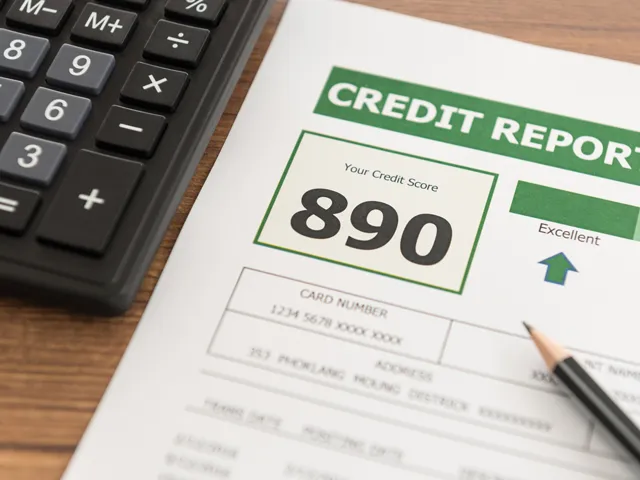
Your ability to acquire credit revolves around the entirety of your financial outlook. Lenders use more than just your credit score when it comes to assessing your ability to repay a loan or line of credit.
So while your checking account and your savings may not play an active role in your credit report, the account balances you keep will help credit card companies and lenders build a snapshot of your personal finances for the purpose of evaluating your ability get a new credit card or receiving a home mortgage, as examples.